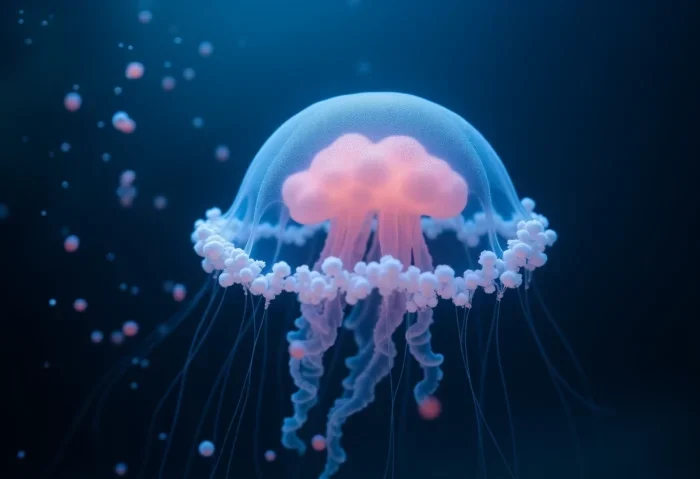
The ocean, vast and mysterious, is home to a multitude of fascinating and often unknown creatures. Among its inhabitants, some species stand out for their rarity and unique characteristics. These jewels of marine biodiversity inspire wonder among scientists and nature enthusiasts.
The abyss, in particular, is a refuge for astonishing creatures, adapted to the extreme conditions of pressure and darkness. Fish with strange shapes, luminescent invertebrates, and corals with vibrant colors thrive there, illustrating the richness and complexity of marine ecosystems.
Aquatic ecosystems and their biodiversity
Aquatic ecosystems, whether freshwater or saltwater, are essential for the preservation of biodiversity. In France, approximately 180,000 species are recorded, with a notable concentration in overseas territories, which are biodiversity hotspots. The International Convention on Biological Diversity, established at the Earth Summit in Rio de Janeiro in 1992, highlights this diversity as a pillar of our natural heritage.
Aquatic environments: refuges of biodiversity
Aquatic environments include various habitats such as rivers, wetlands, ponds, and lakes. Each of these environments hosts specific fauna and flora, adapted to local conditions. Among the rare species is the blue axolotl, a Mexican salamander that fascinates with its regenerative abilities and unique appearance.
- French rivers host a diversity of species, some of which are endangered and appear on the red list of threatened species.
- Wetlands play a fundamental role in regulating water cycles and protecting biodiversity.
- Ponds and lakes are valuable habitats for many species of fish and invertebrates.
Threats and challenges for aquatic biodiversity
Aquatic ecosystems are subjected to multiple pressures: climate change, pollution, human activities. The quality of water and the state of aquatic environments in mainland France are deteriorating, impacting animal and plant species. Conservation programs, supported by organizations like the IUCN, aim to preserve these vital natural spaces.
Aquatic biodiversity contributes to essential ecological services: water purification, flood regulation, maintenance of natural habitats. The preservation of these environments is therefore a major challenge for future generations.
Focus on rare and unique creatures
Aquatic ecosystems are teeming with fascinating and unknown creatures. Among them is the Common Bullhead, a small fish found in streams and torrents, long considered a single species. Thanks to genetics, it is now established that at least 7 to 8 distinct species coexist in mainland France. This hidden diversity underscores the importance of scientific research to better understand and protect these fragile ecosystems.
Endemic species, which are found only in a specific area, are particularly vulnerable. Watersheds act as natural barriers, preventing aquatic species from moving from one basin to another without external intervention. This isolation fosters the emergence of unique genetic specificities but also increases their vulnerability to environmental changes.
Among birds, the Dipper is entirely dependent on aquatic environments. This small passerine, capable of diving and swimming underwater to catch insects, is a valuable indicator of water quality. Mammals are not left out: the European Otter and the European Beaver are two emblematic species of our rivers. Their presence indicates a healthy habitat and the availability of resources necessary for their survival.
| Species | Habitat | Particularity |
|---|---|---|
| Common Bullhead | Streams and torrents | 7 to 8 species coexist |
| Dipper | Rivers | Dives and swims underwater |
| European Otter | Watercourses | Indicator of water quality |
| European Beaver | Rivers and wetlands | Ecological engineer |
Fish such as the pike use several habitats throughout their lives. Adults prefer rivers, while young pikes develop in floodplains. This diversity of habitats is fundamental for their life cycle and highlights the necessity of preserving varied environments to ensure their survival.