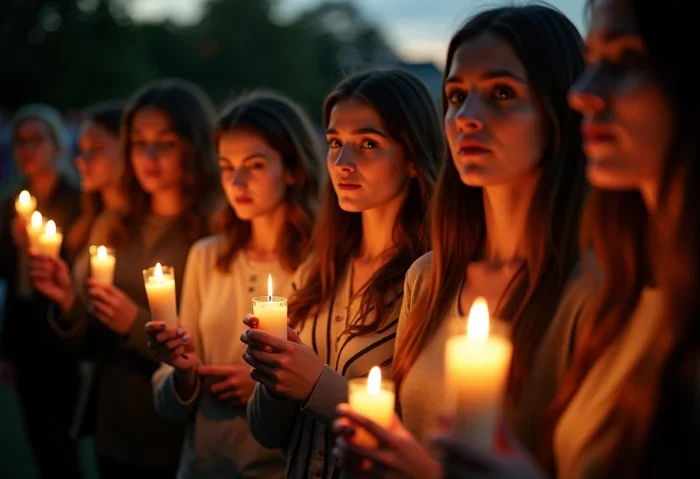
The last few months have been marked by a series of tragic disappearances among iconic figures in cinema, music, and sports. These losses have deeply shaken the public and highlighted often-hidden aspects of life in the spotlight.
These deaths raise major questions about the constant pressure faced by celebrities, whether it be professional stress, mental health issues, or personal challenges. The circumstances surrounding these tragedies vary, but they all point to a shared reality: human fragility, even under the spotlight.
The circumstances surrounding the deaths of iconic celebrities
The passing of Prince on April 21, 2016, due to a Fentanyl overdose, shocked the entire world. The artist, whose career spanned several decades, leaves behind an invaluable musical legacy. Similarly, Michael Jackson, who died on June 25, 2009, succumbed to a lethal dose of propofol, administered by his personal physician. These deaths highlight the dangers of controlled substances and medical responsibility.
Amy Winehouse, found dead on July 23, 2011, fell victim to alcohol poisoning, a tragic fate that reminds us of the struggles against addiction. The suicide of Robin Williams on August 11, 2014, and that of Kurt Cobain in 1994, underscore the ravages of depression and the inadequacies in the management of mental illness among celebrities.
- Prince: Fentanyl overdose (April 21, 2016)
- Michael Jackson: lethal dose of propofol (June 25, 2009)
- Amy Winehouse: alcohol poisoning (July 23, 2011)
- Robin Williams: suicide (August 11, 2014)
- Kurt Cobain: suicide (1994)
Other tragedies result from unexpected accidents. Kobe Bryant, for example, died in a helicopter crash on January 26, 2020. Paul Walker, famous for his roles in the Fast & Furious saga, lost his life in a car accident in 2013. The death of Anton Yelchin, crushed by his own car in June 2016, revealed serious technical failures.
Let’s mention Yoann Gravier’s death cause, still under investigation, which shows that each tragedy must be examined rigorously to prevent future repetitions.
These events should prompt us to reconsider the unbearable pressure faced by many celebrities and the necessity for adequate support to prevent such tragedies.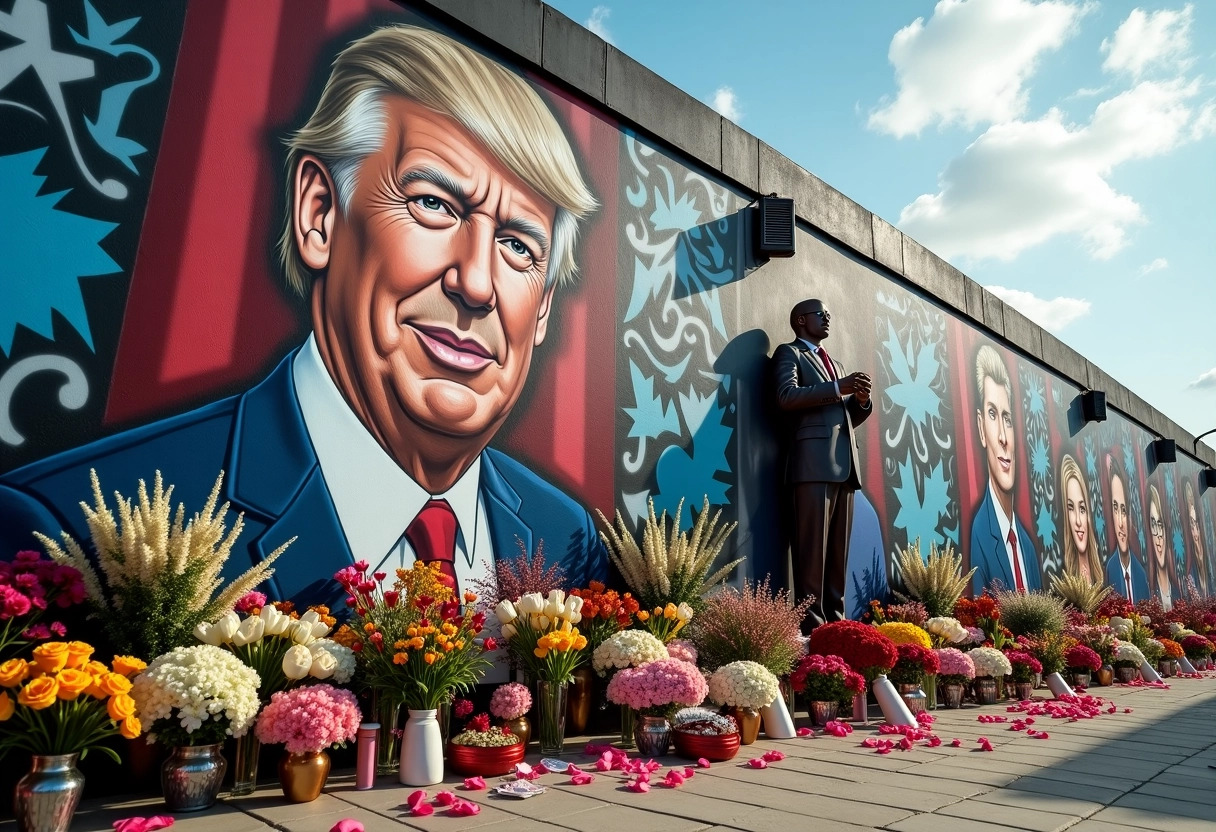
The impact of celebrity deaths on society and culture
Celebrity deaths generate shockwaves within society, affecting not only fans but also cultural industries. The death of Michael Jackson led to a reworking of his discography and a dramatic increase in album sales. Fans, in mourning, seek to perpetuate the legacy of deceased artists, often through reissues and commemorations.
The death of Robin Williams brought mental health issues to the forefront, prompting media and institutions to address these matters more seriously. As for Kobe Bryant, his tragic accident sparked a wave of support and reflections on the fragility of life, influencing discussions on transportation safety and the importance of family.
- Michael Jackson: posthumous sales increase
- Robin Williams: mental health awareness
- Kobe Bryant: transportation safety and family values
The death of iconic figures like Marilyn Monroe and Elvis Presley continues to fascinate and influence popular culture. These personalities, now mythical, are regularly referenced in media and artistic works, cementing their place in the collective imagination.
The impact of these deaths transcends generations and borders, leaving a lasting imprint on society and culture. The repercussions go far beyond mere mourning, provoking profound social and cultural changes.