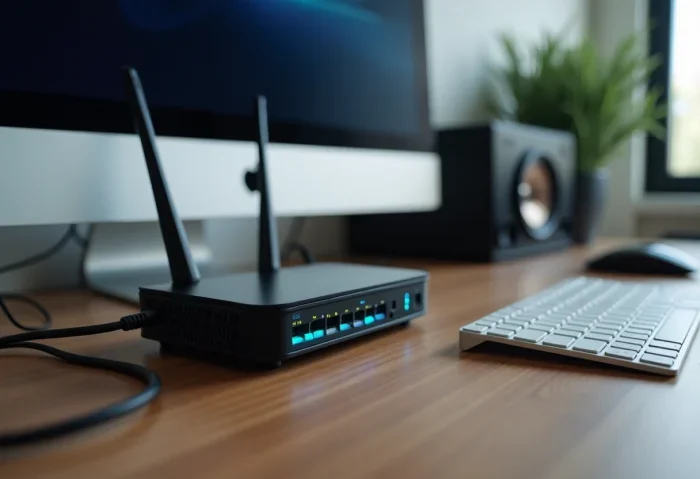
Optimizing your local network configuration is essential for ensuring a smooth and secure connection. In a home or professional setting, a well-configured network allows you to maximize data transfer speeds and minimize interruptions. By taking a few simple steps, you can not only improve performance but also enhance the security of the entire network.
Among the best practices to adopt, consider choosing a strategic location for the router, using quality cables, and securing the network with strong passwords. Regular maintenance and updating equipment are also key steps to maintaining a high-performing and reliable local network.
Essential Elements for Optimal Configuration of Your Local Network
An optimal configuration of your local network relies on a series of essential practices. First, the network topology plays a central role. It is divided into two aspects: physical topology and logical topology. Physical topology concerns the arrangement of cables, routers, and switches. Logical topology, on the other hand, relates to how data flows through the network.
Prioritize a wired connection whenever possible. Wired networks have inherently superior security compared to wireless networks. Using high-quality Ethernet cables helps reduce interference and ensures reliable data transmission. To configure your router, access the management interface via the default IP address, often ‘192.168.l.l’, and adjust the settings according to your specific needs.
Wi-Fi and Network Segmentation
The Wi-Fi connection is essential for mobile devices and hard-to-cable locations. Make sure to use the latest standards (such as Wi-Fi 6) to benefit from better bandwidth and extended coverage. Secure your wireless network with strong passwords and use WPA3 encryption.
Network segmentation is another essential practice. It involves dividing a physical network into several sub-networks to improve security and manage traffic more effectively. This approach helps contain potential threats and isolate critical segments of the network.
| Element | Description |
|---|---|
| Network Topology | Physical and logical arrangement of network components |
| Wired Connection | Increased security and reliability through Ethernet cables |
| Wi-Fi | Recent standards for better coverage and bandwidth |
| Network Segmentation | Division of the network into sub-networks to enhance security |
The network design should be planned to anticipate future needs, whether it’s adding new devices or increasing bandwidth. By adopting these best practices, you will ensure an optimal configuration of your local network that is both efficient and secure.
Best Practices for Securing and Optimizing Your Local Network
To ensure optimal network security, start by performing regular updates of your computers, applications, and firmware. These updates fix discovered security vulnerabilities and prevent cybercriminals from exploiting them. Use firewalls to filter incoming and outgoing network traffic, and install antivirus software to detect and eliminate malware.
For SMEs, a proactive approach is fundamental. In addition to regular updates, implement strict security policies and train your employees on best practices to avoid phishing attacks. Use a VPN to create an encrypted tunnel between connected devices and the company network, ensuring a secure connection even remotely.
- Perform regular updates.
- Use firewalls and antivirus software.
- Educate employees about phishing.
- Implement a VPN.
Network segmentation is also an effective method for enhancing security. By dividing the network into several sub-networks, you limit the spread of threats and improve traffic management. This practice is particularly beneficial for companies looking to protect their sensitive data and IT infrastructure.
Closely monitor network activities to detect any anomalies. Use monitoring tools to analyze traffic and identify suspicious behaviors. Adopt these best practices to ensure the security and optimization of your local network, which are crucial for the smooth operation of your business.