
An apartment under the eaves facing full south, with large windows without shutters in a recent building: there are plenty of situations where heat pours in through the windows. Summer thermal insulation starts first with the glazing and its surroundings, well before air conditioning. Here are ten practical tips to keep the interior cool when the sun is blazing.
1. Install light-colored external shutters
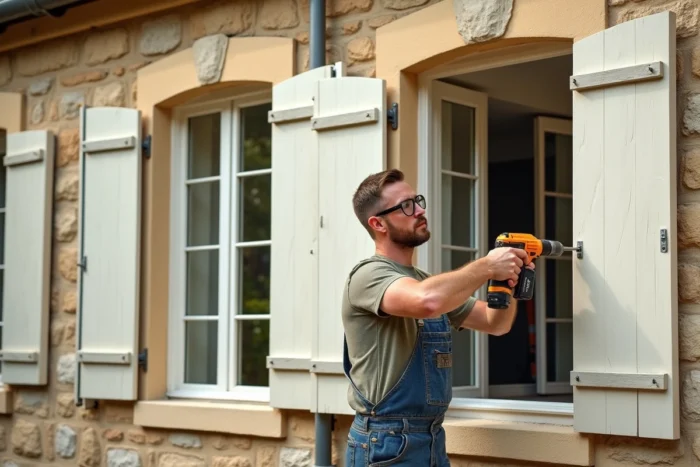
External solar protections block radiation before it reaches the glass. This is the point that the RE2020 and the revised European directives in 2023 emphasize for summer comfort: protection placed outside is significantly more effective than an interior device, because the absorbed heat stays outside.
In-situ measurement campaigns on existing housing show that the color and reflectance of shutters have a direct impact on overheating. Therefore, light-colored shutters or those with a reflective coating are preferred, as they reflect a larger portion of solar radiation. If given the choice, wooden shutters painted white or light gray do the job without weighing down the facade.
To effectively insulate windows, the first reflex is to close these shutters during the hottest hours, between noon and around 5 PM.
2. Install a retractable awning or adjustable sunshade
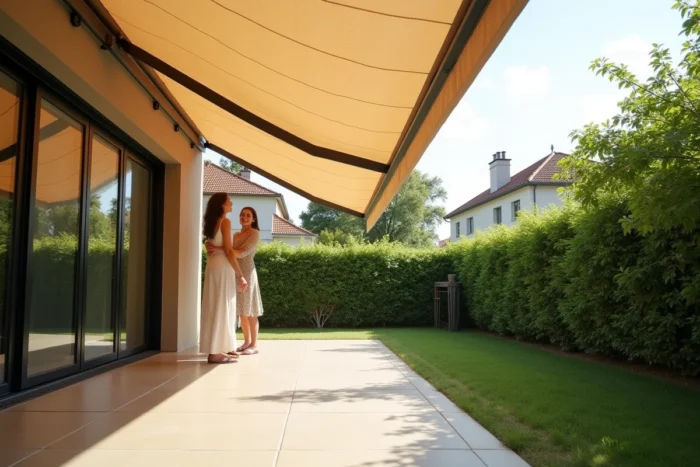
On a terrace or balcony, the retractable awning creates a shaded area that prevents direct radiation from hitting the glass. The adjustable sunshade (BSO) offers an additional advantage: its slats tilt according to the angle of the sun, allowing for the regulation of natural light without overheating the room.
These two solutions are part of the external solar protections recommended by recent texts on the energy performance of buildings. They are particularly suitable for large glass doors where the installation of traditional shutters would be complicated or unsightly.
3. Apply a heat-reducing solar film to the glazing
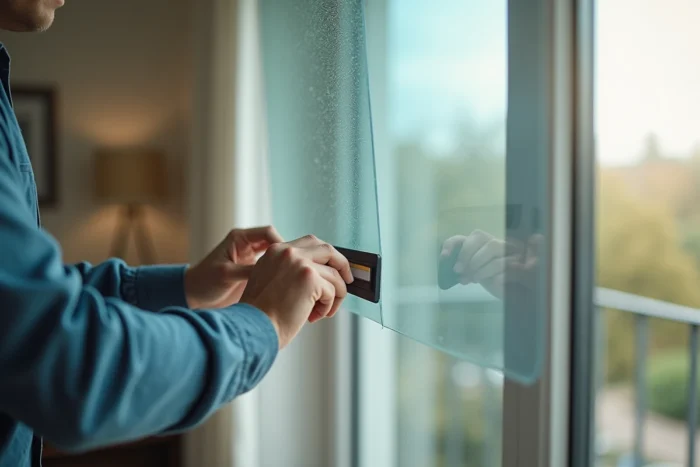
When external intervention is not possible (condominium, architectural constraint), adhesive solar film is a quick alternative. It sticks directly to the interior side of the glass and reduces solar radiation while allowing visible light to pass through.
This type of film works thanks to a metallic or ceramic layer that reflects a portion of infrared energy. Feedback on this point varies depending on the quality of the product and the exposure of the window, but the gain in summer comfort is noticeable from the first hot day. However, compatibility with the glazing (double glazing, laminated glass) should be checked to avoid thermal shock.
4. Replace worn seals
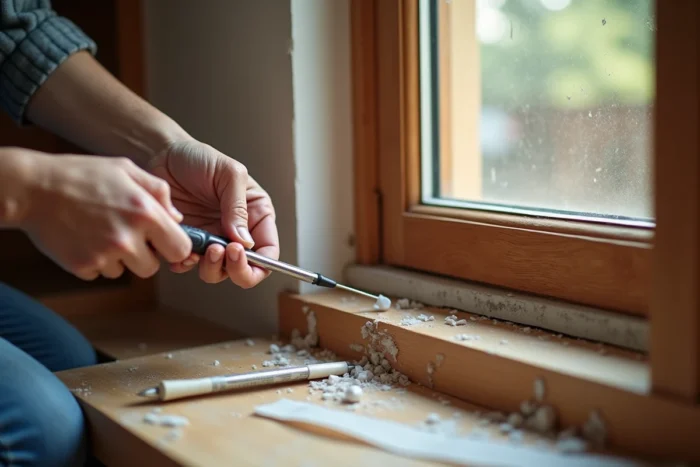
Worn seals allow hot air to enter through the gaps in the frame. This is a common problem with joinery over ten years old. Check the condition of the seals by running your hand along the frame: any sensation of a draft indicates a leak.
Replacing a window seal costs a few euros and takes less than an hour. Choose a seal made of EPDM rubber or silicone depending on the profile of the rebate. This operation improves air tightness against both summer heat and winter cold.
5. Switch to solar control double glazing
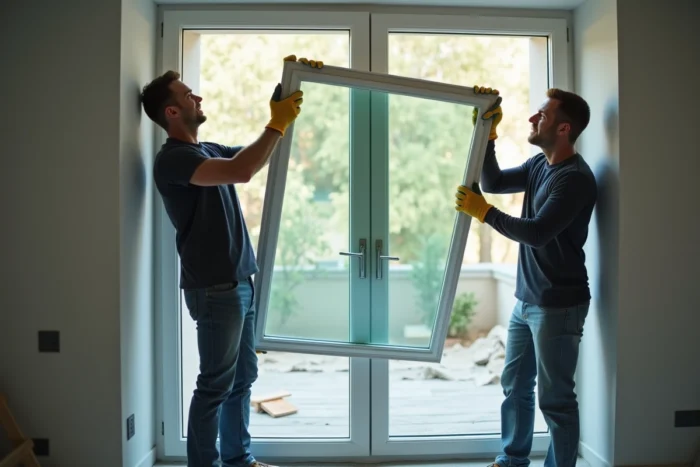
Solar control glazing incorporates a thin metallic layer on one of the internal faces of the double glazing. This layer regulates the solar energy that passes through the glass: it optimizes the greenhouse effect in winter and reduces it in summer. It is a suitable solution for large openings (glass doors, skylights, veranda roofs).
It can be distinguished from standard double glazing by its lower solar factor, which indicates the portion of solar energy transmitted inside. The lower the solar factor, the less heat enters. This replacement represents an investment, but it affects summer and winter comfort simultaneously.
6. Hang thermal lined curtains
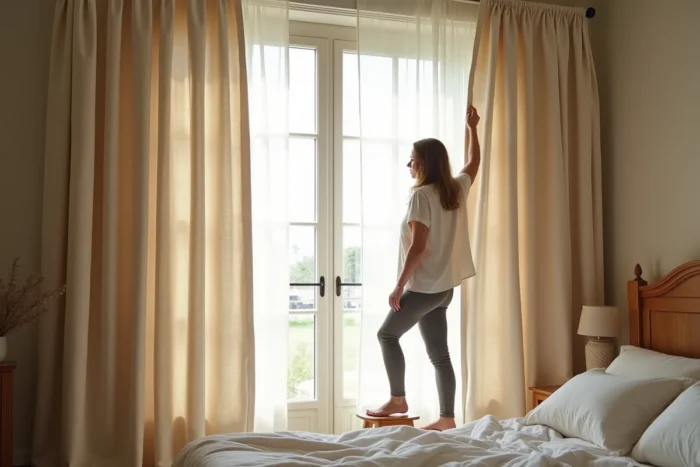
A thermal curtain with insulating lining creates an additional barrier between the glass and the room. Choose a light-colored fabric on the window side to limit heat absorption. The curtain should reach the floor and extend a few centimeters beyond the frame on each side to reduce lateral thermal bridges.
This tip does not replace external protection, but it complements the system. During the day, with curtains drawn and shutters half-closed, the indoor temperature rises much more slowly.
7. Ventilate at night through cross-ventilation
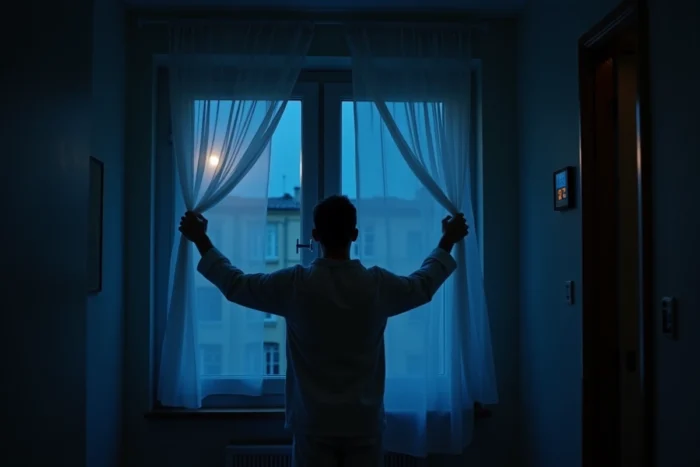
The 2023 report from Santé publique France recommends combining external solar protections with controlled night ventilation rather than relying solely on glazing insulation. The idea: open opposing windows at night to create a cross breeze that evacuates heat accumulated in the walls and floors.
Open as soon as the outside temperature drops below that of the inside, usually after 10 PM. Close at sunrise and lower the shutters to retain the coolness stored during the night.
8. Seal the bottom of the window with an insulating draft stopper
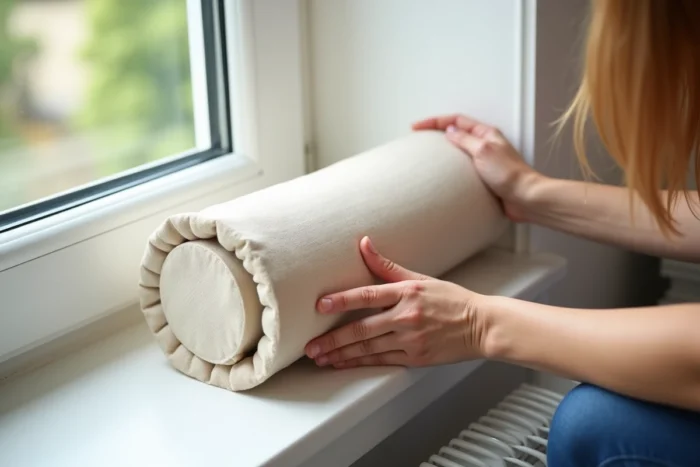
The bottom of the frame is often the weak point of the sealing, especially on older windows. An insulating draft stopper (foam, weighted fabric, or brush) is slid against the threshold and blocks hot air infiltration from outside.
This is the cheapest solution on this list. It requires no tools and can be removed in seconds for ventilation. It can be combined with the replacement of side seals for complete frame sealing.
9. Plant climbing vegetation or install a green pergola
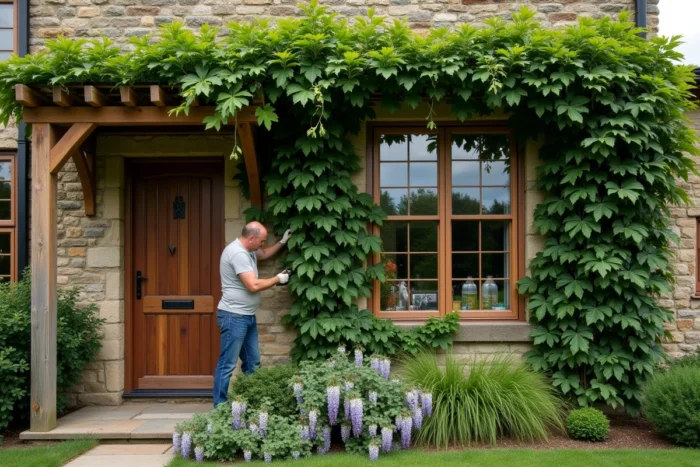
A deciduous climbing plant (Virginia creeper, wisteria, hops) filters solar radiation in summer and allows light to pass through in winter. The shade cast on the window significantly reduces the surface temperature of the glazing.
Vegetation acts as a natural sunshade without permanently altering the facade. However, a solid support (trellis, tensioned cables) and regular maintenance are necessary to prevent the stems from damaging the seals or the window frame.
10. Combine several solutions according to exposure
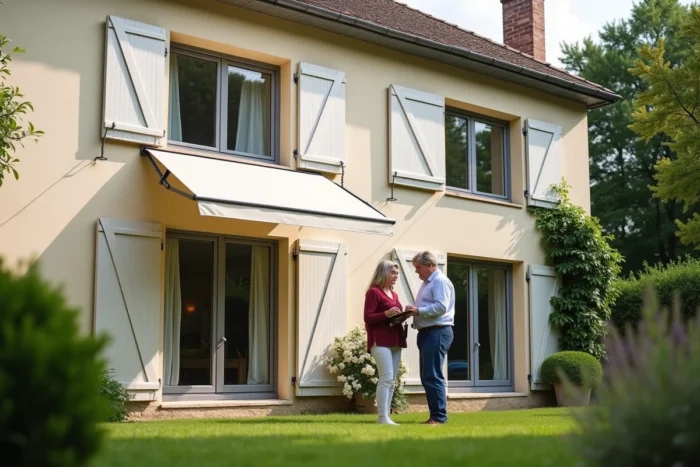
No isolated tip is sufficient on a south-facing facade during a heatwave. The best results are obtained by layering the devices:
- External protection (light shutters or BSO) to block radiation before it reaches the glass
- High-performance glazing or solar film to reduce energy transmission
- Frame sealing (new seals, bottom sealing) to eliminate hot air infiltration
- Night ventilation to evacuate residual heat
This multilayer approach corresponds to current recommendations on summer comfort. Acting on only one aspect always leaves a weak link in the insulation chain. Start with the least expensive solutions (seals, draft stoppers, curtains), then move up to solar control glazing or BSO if the budget allows.